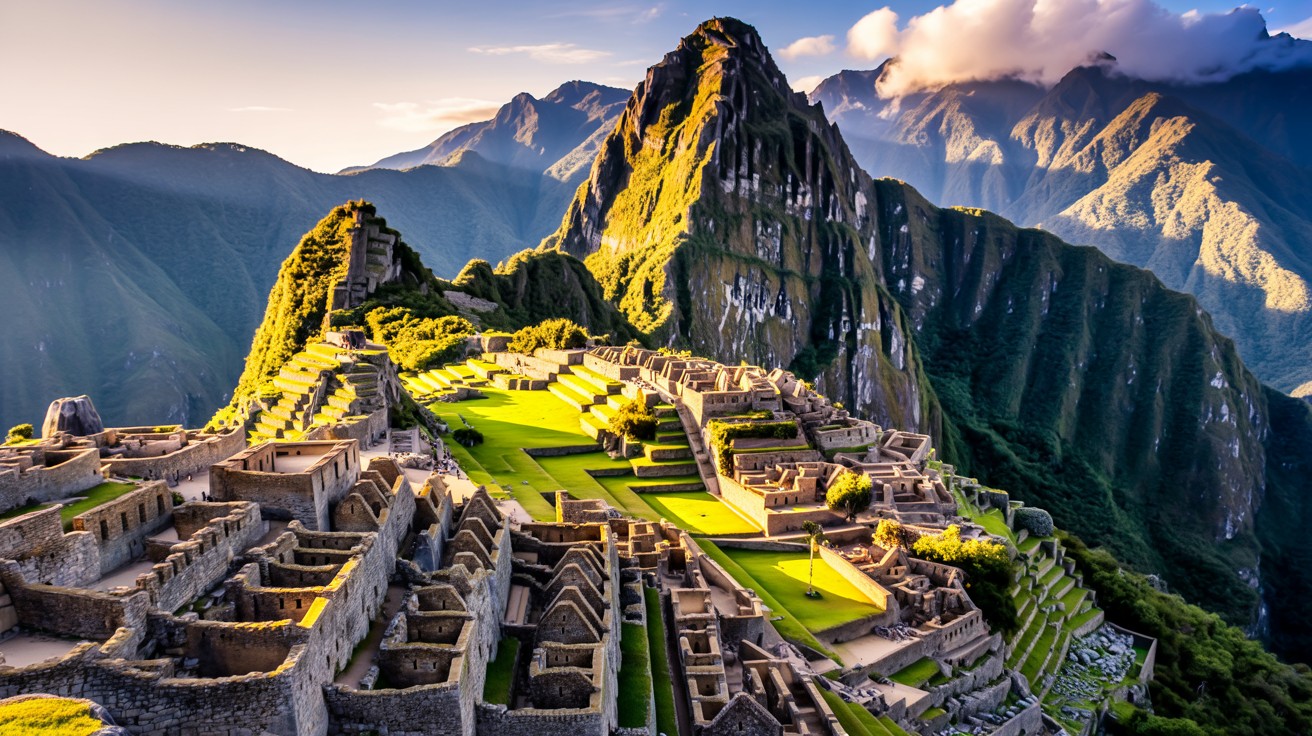
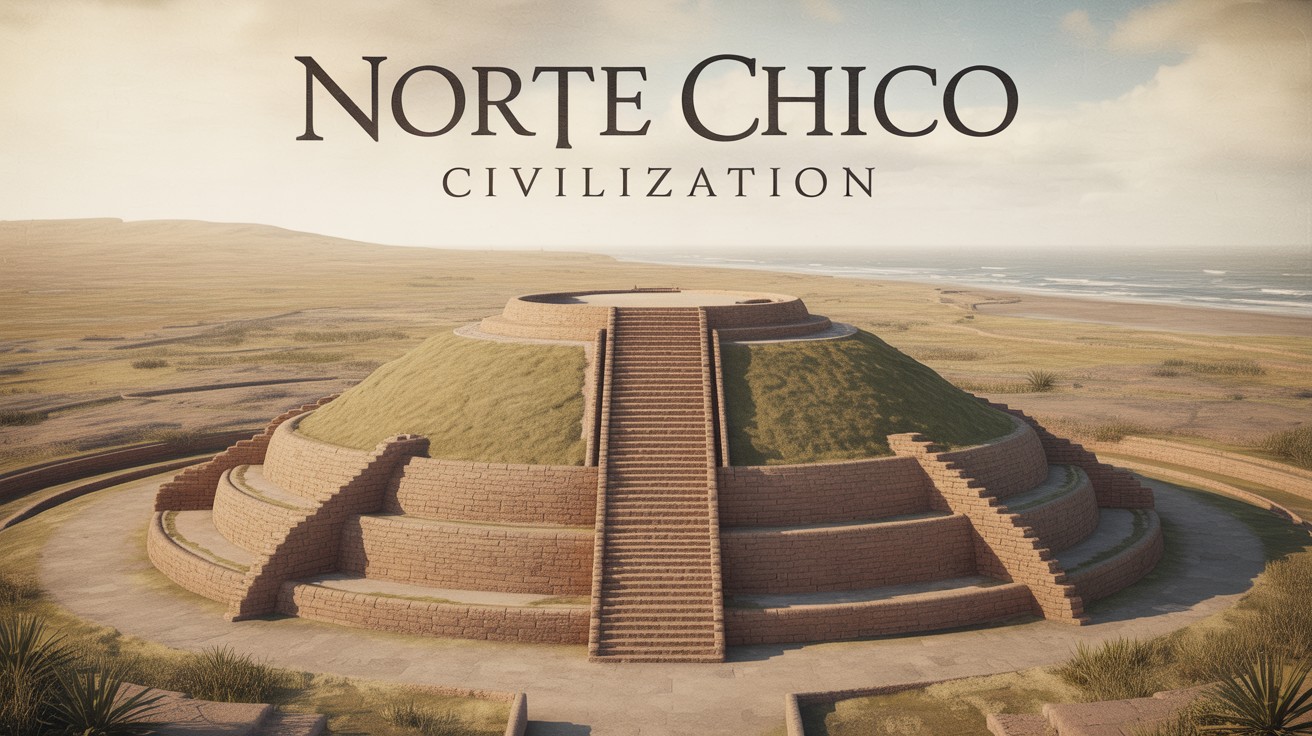
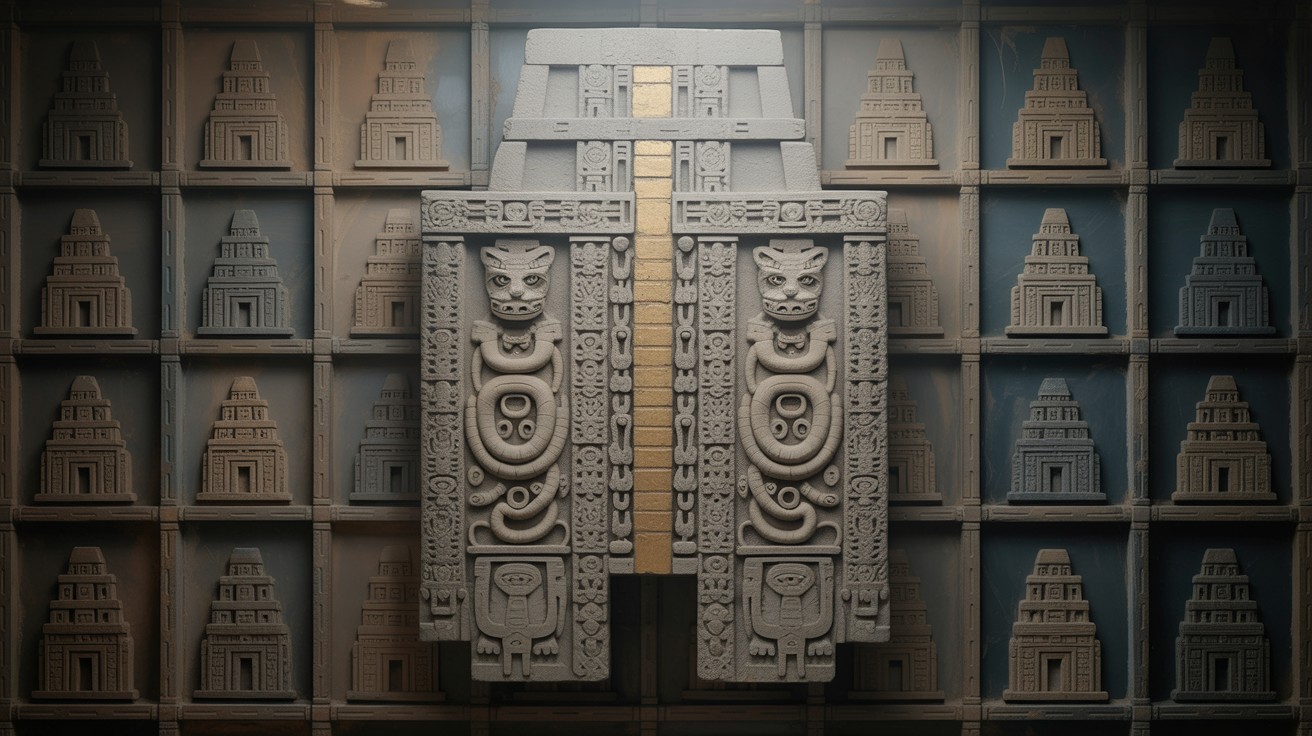
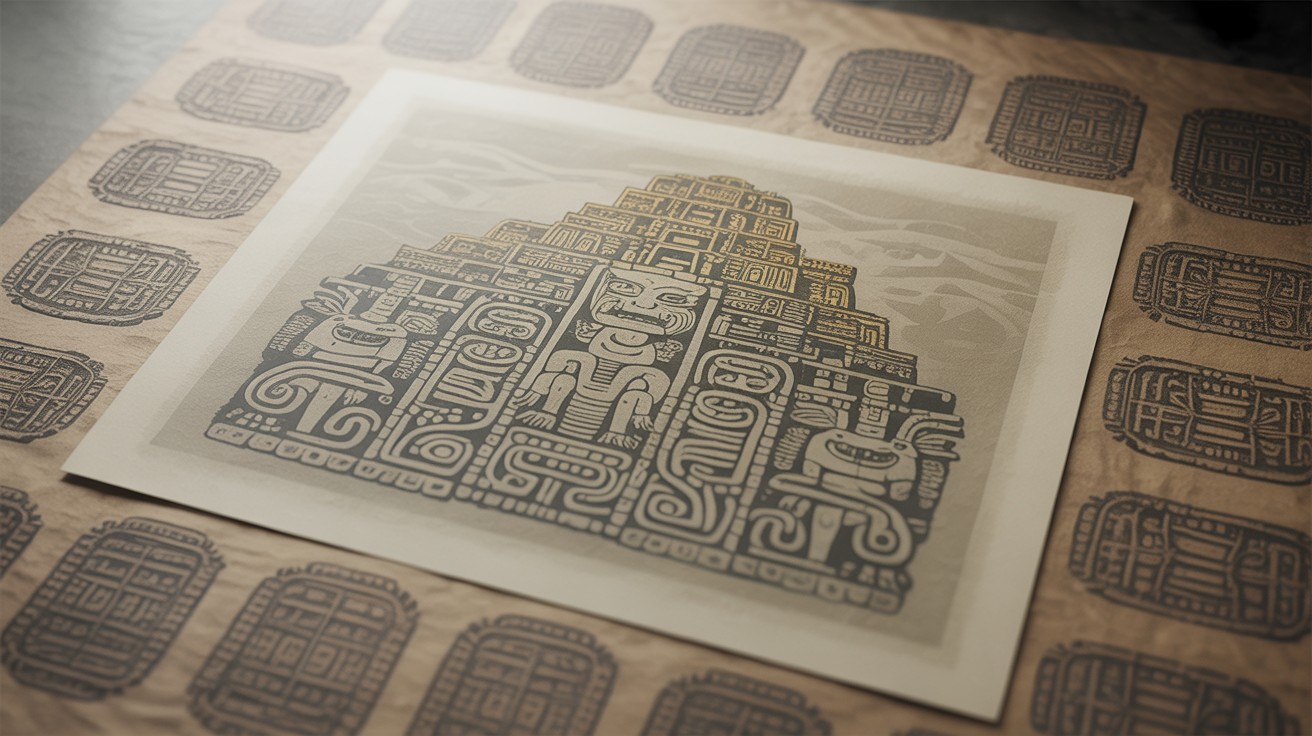
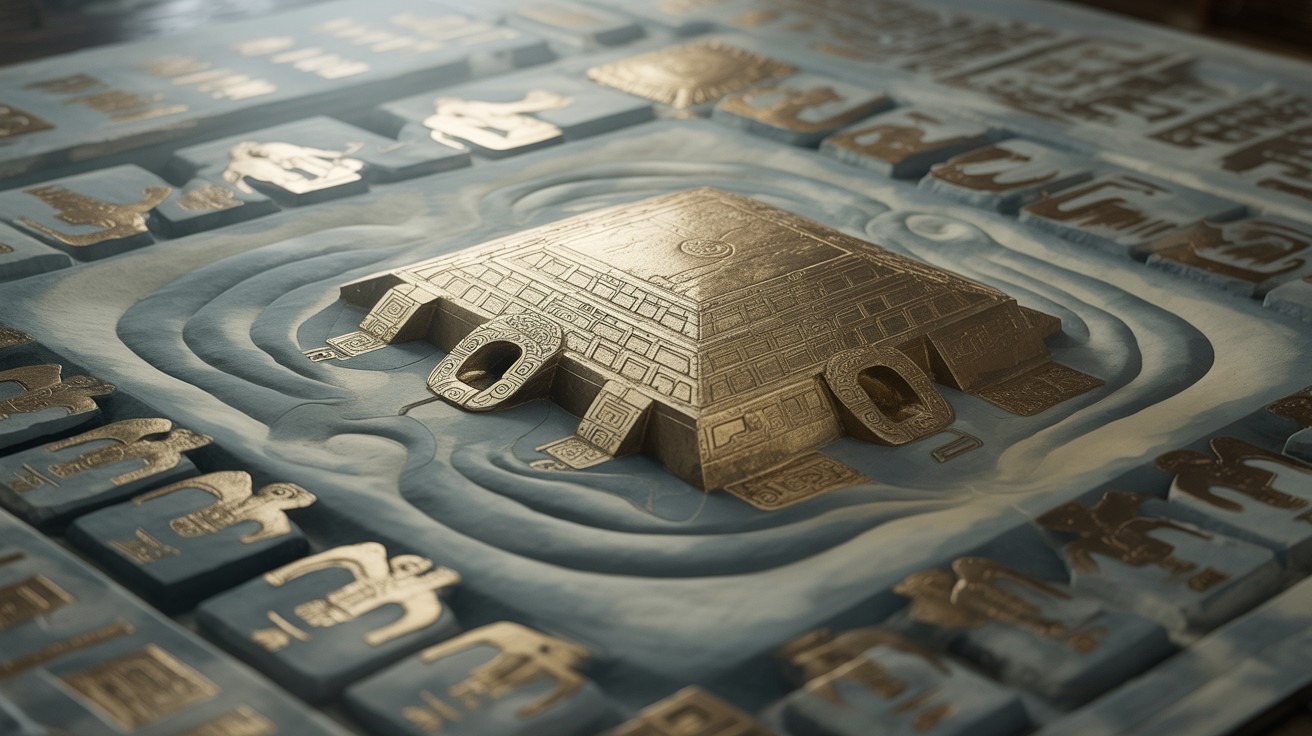
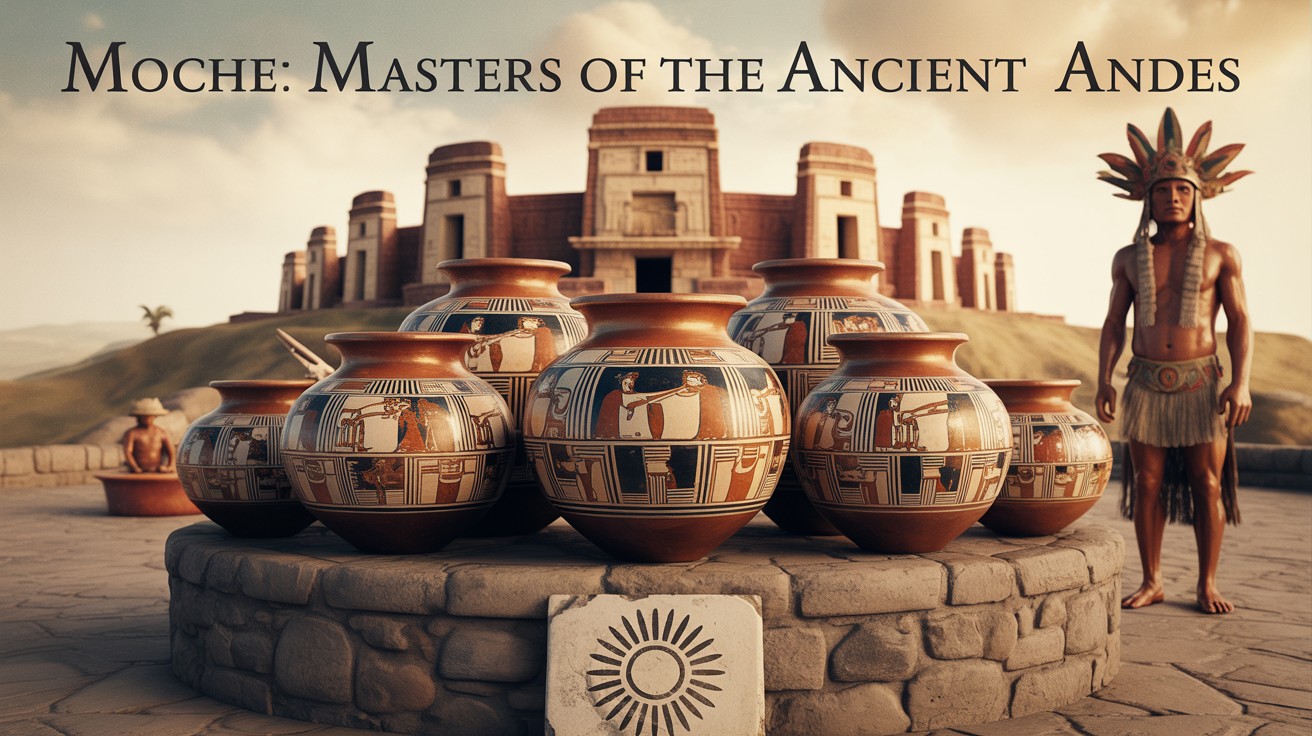
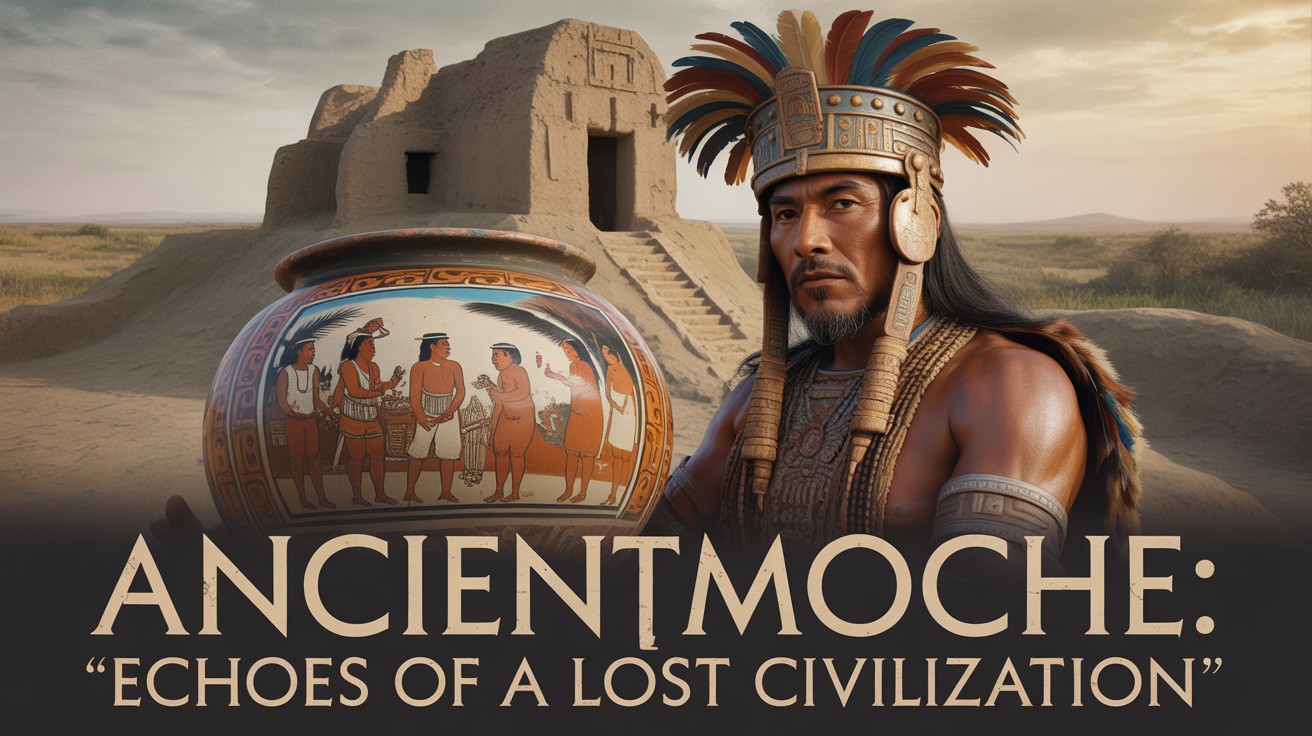
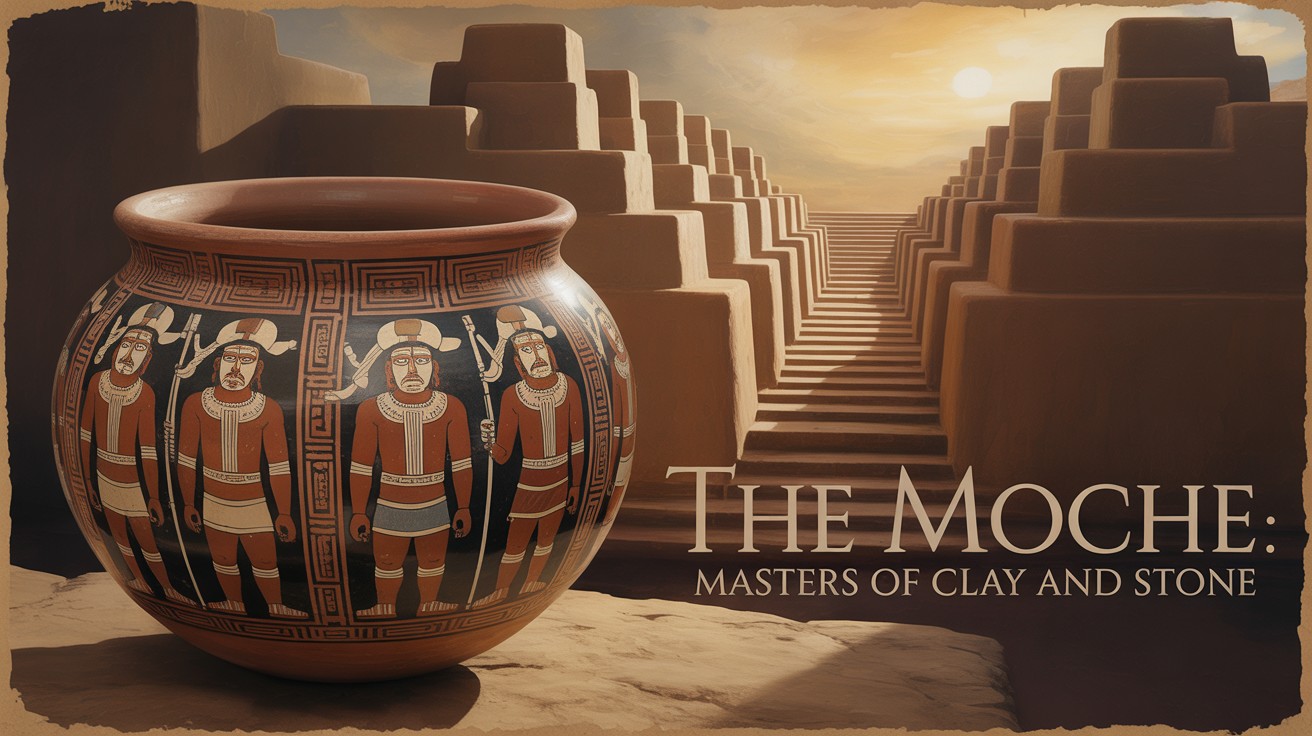
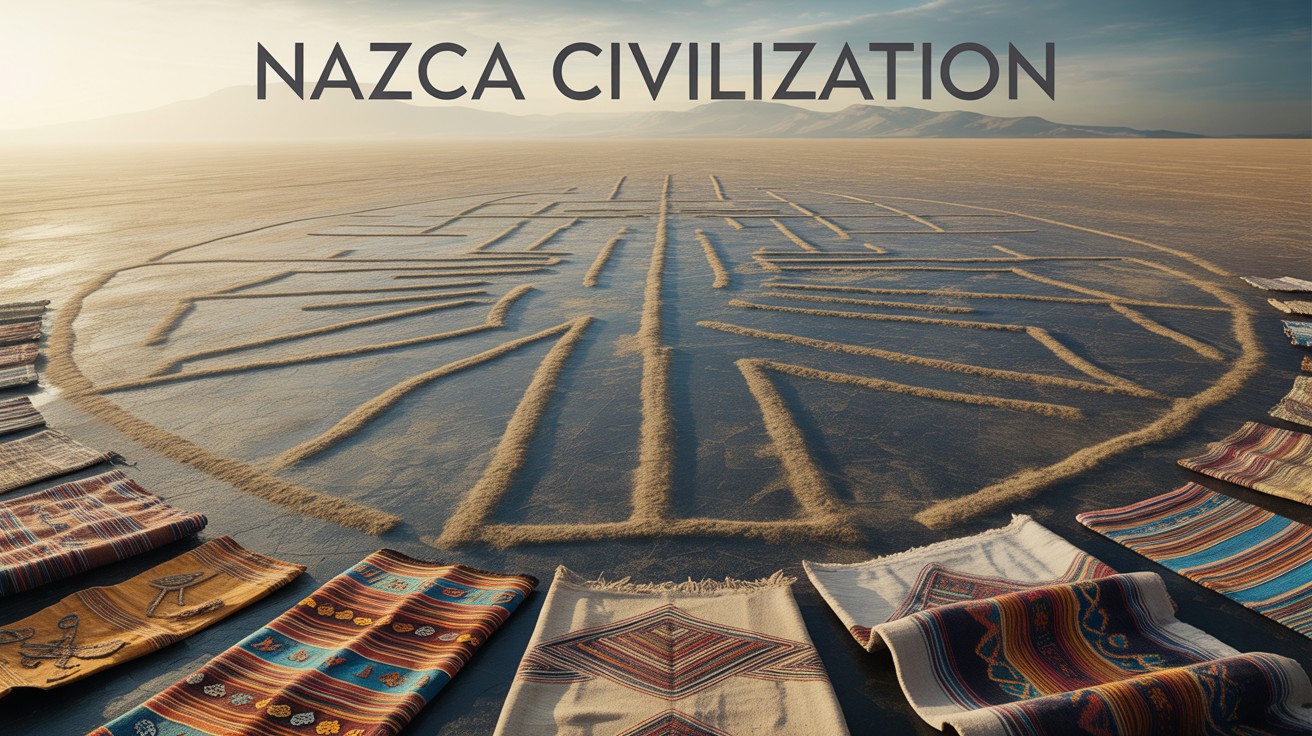
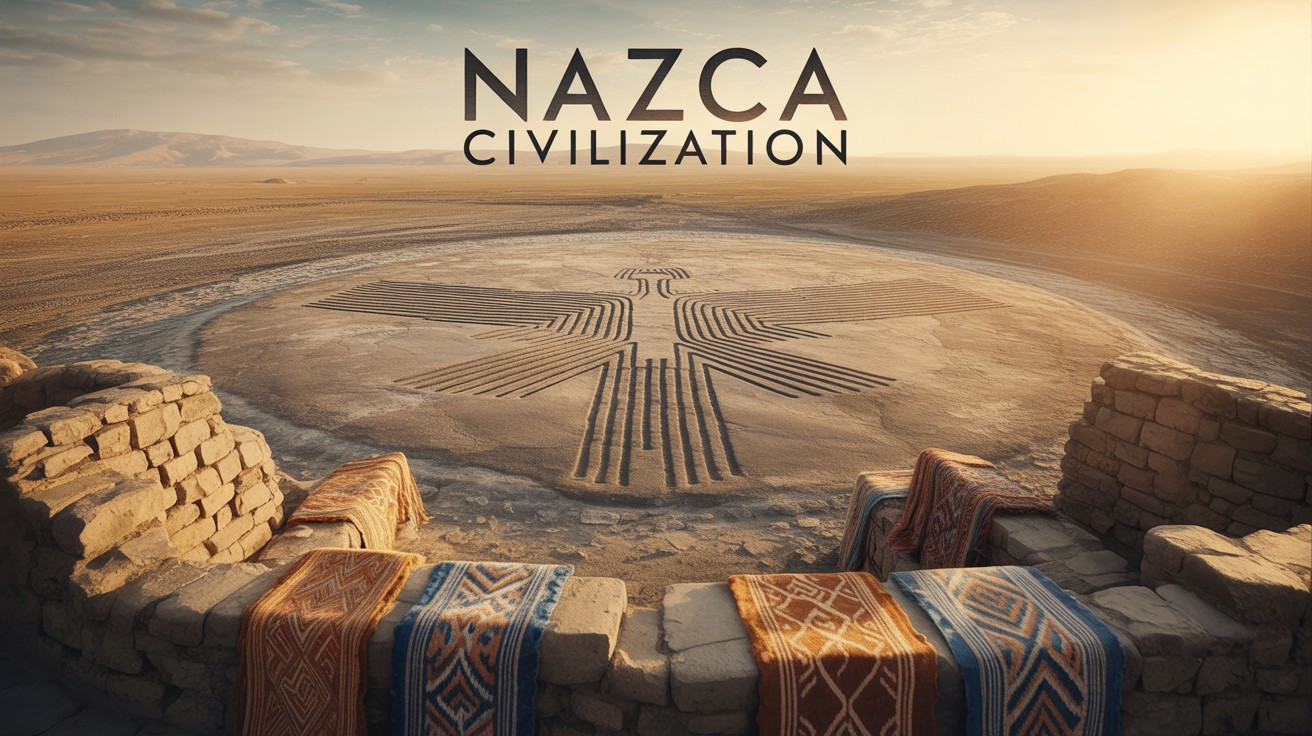
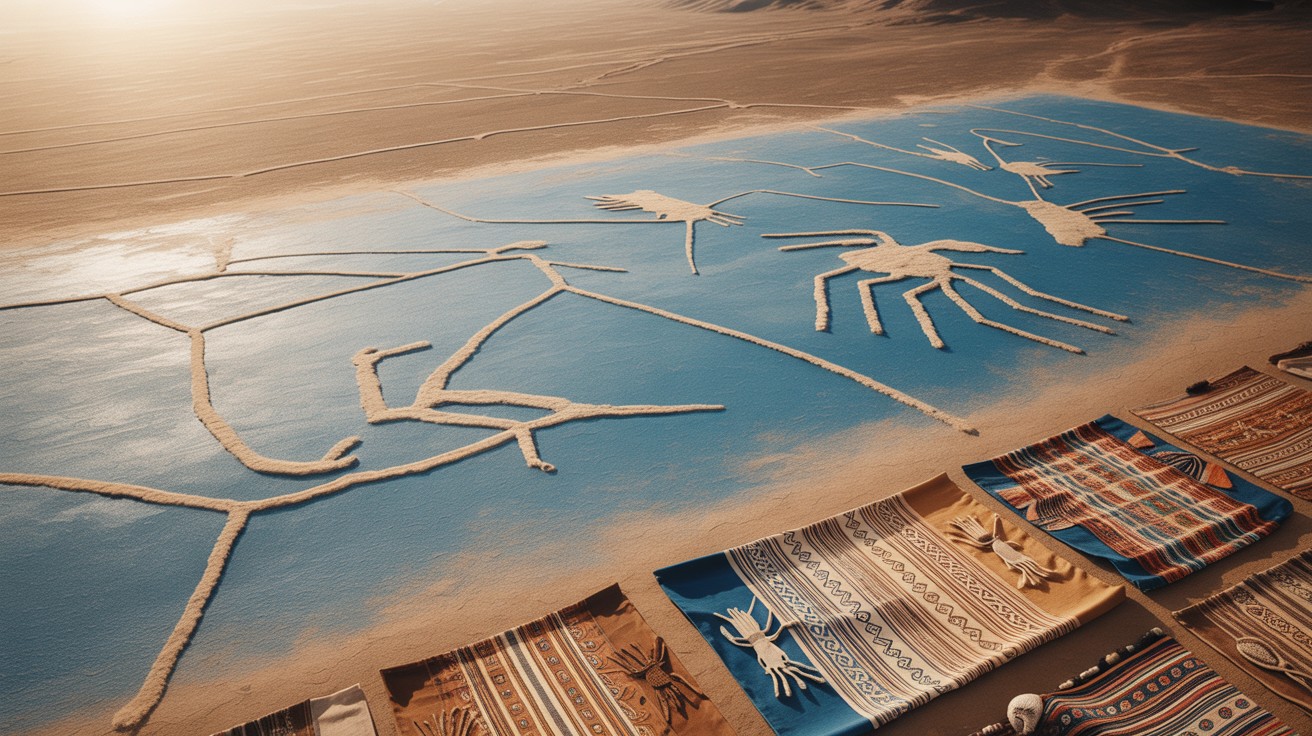
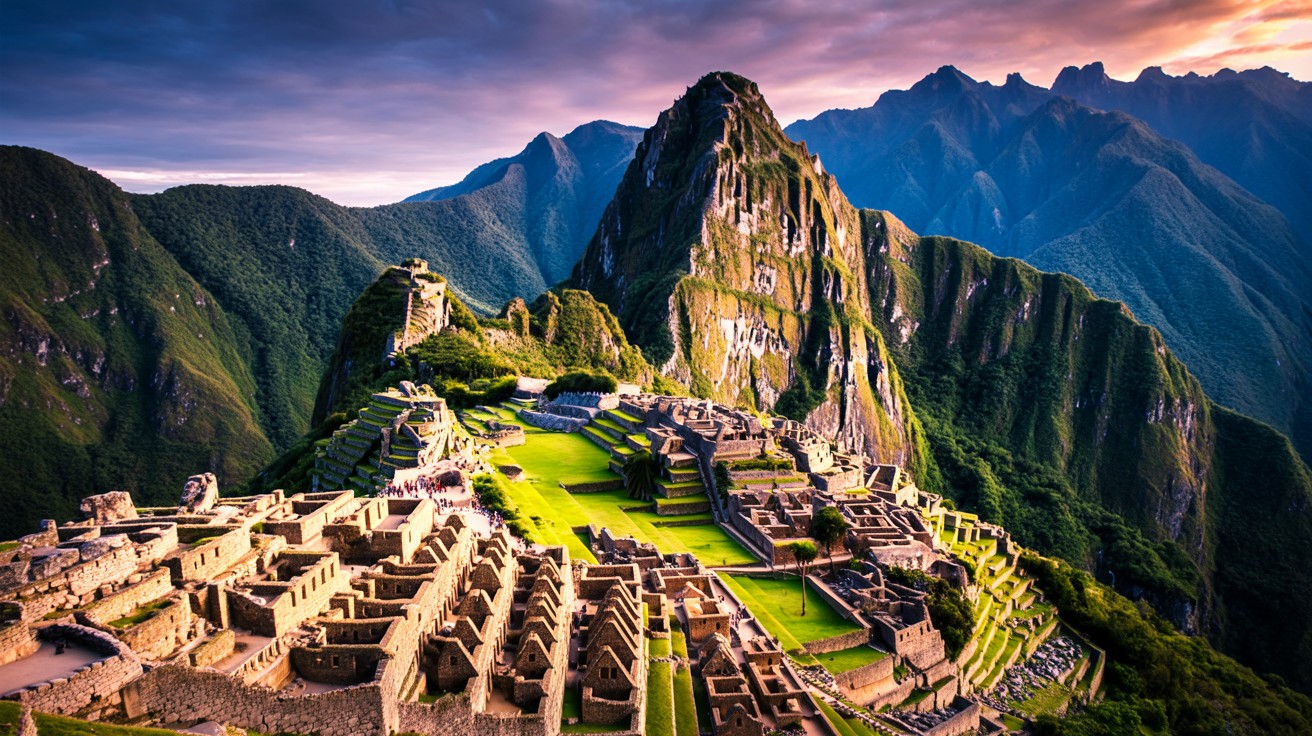
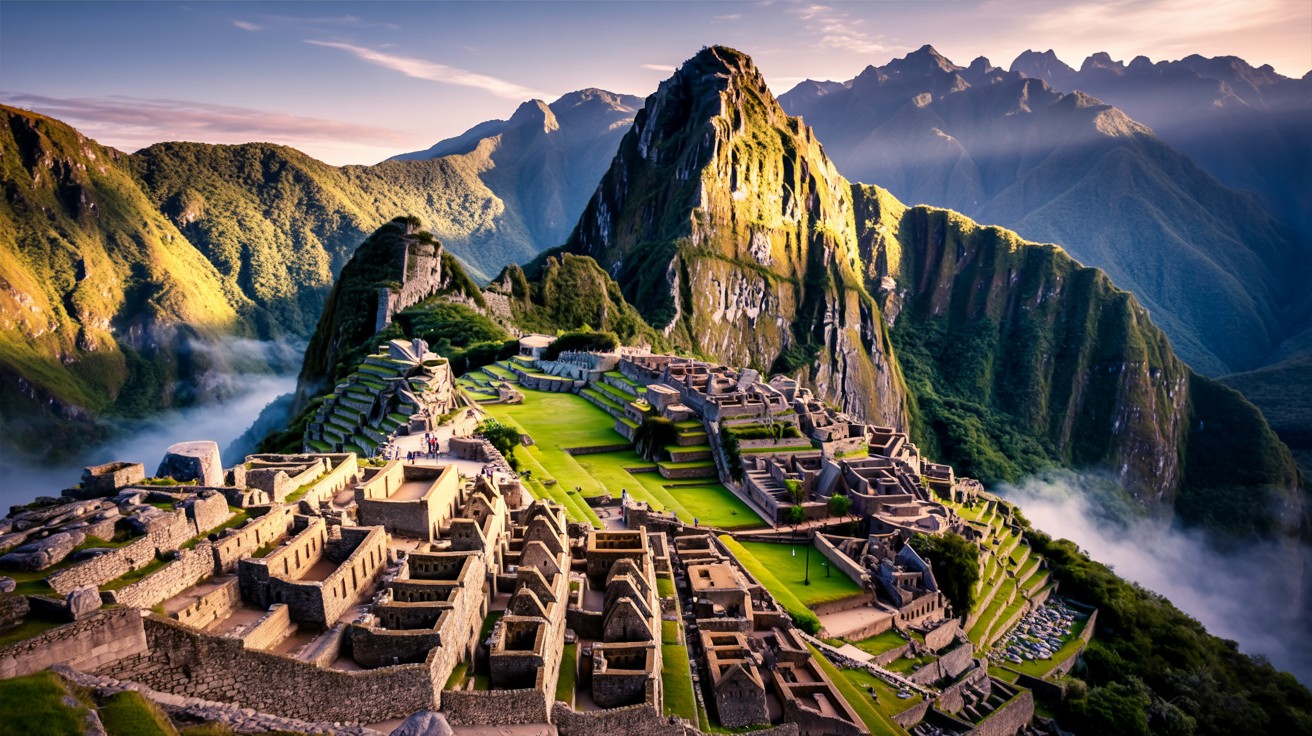
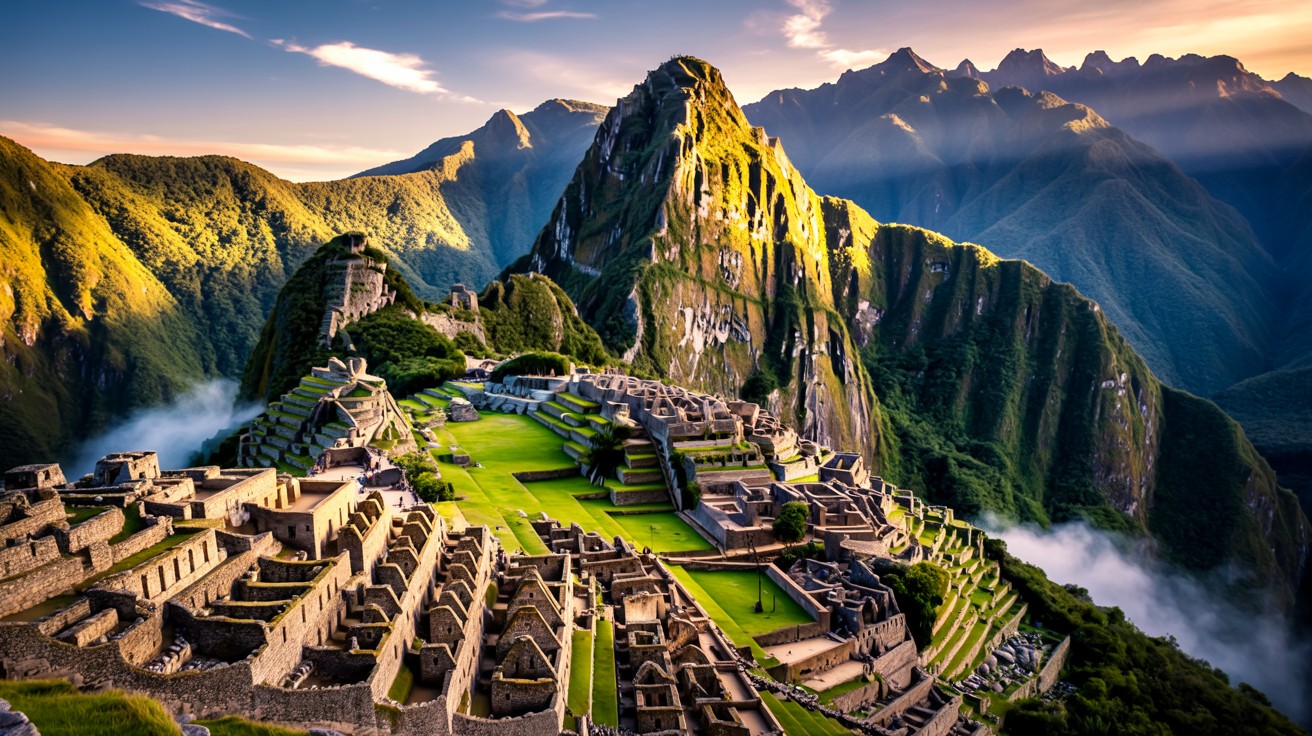
Trace the heights of Andean heritage — the stone terraces of Machu Picchu bathed in dawn light, intricate textiles woven in radiant colors, golden Inca sun discs gleaming with spiritual power, and mountain trails alive with llama caravans, all flowing into a modern skyline rising against the Andes. The imagery blends in sunlit golds, vibrant crimson, and deep sky blues, reflecting both nature and cultural ingenuity.
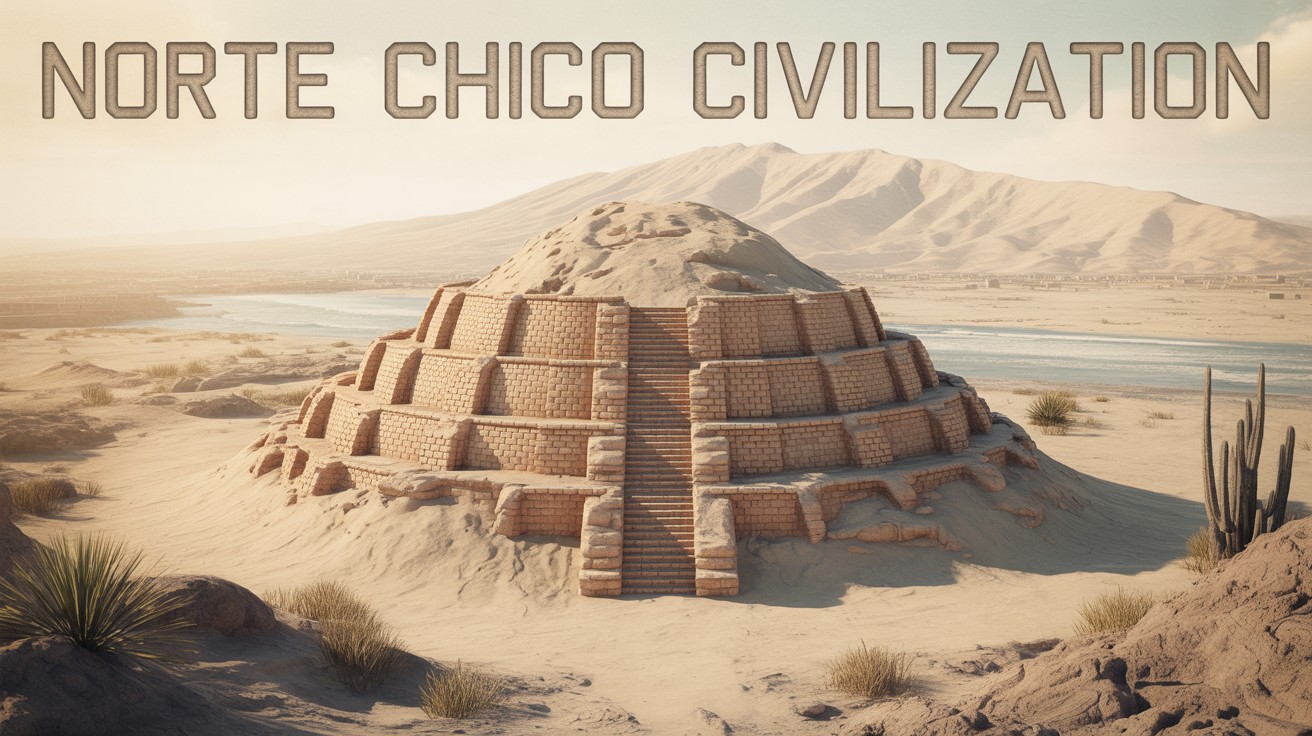
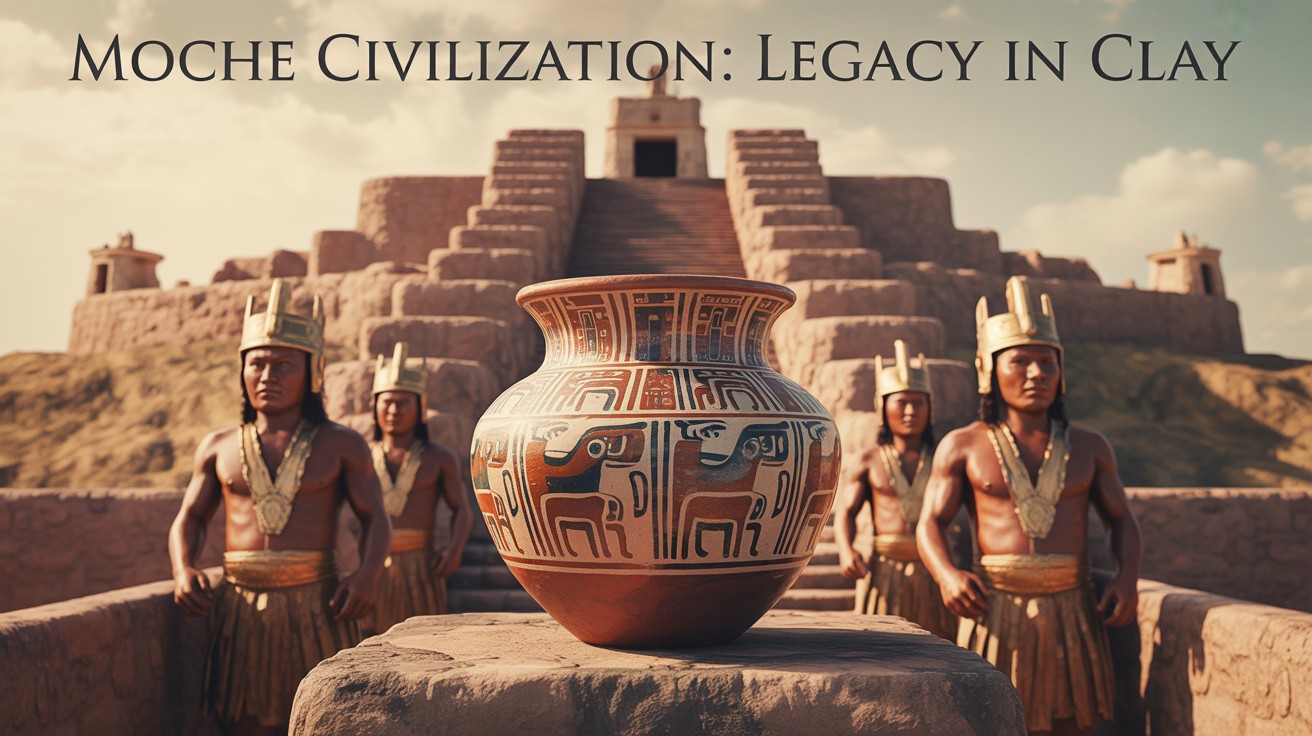
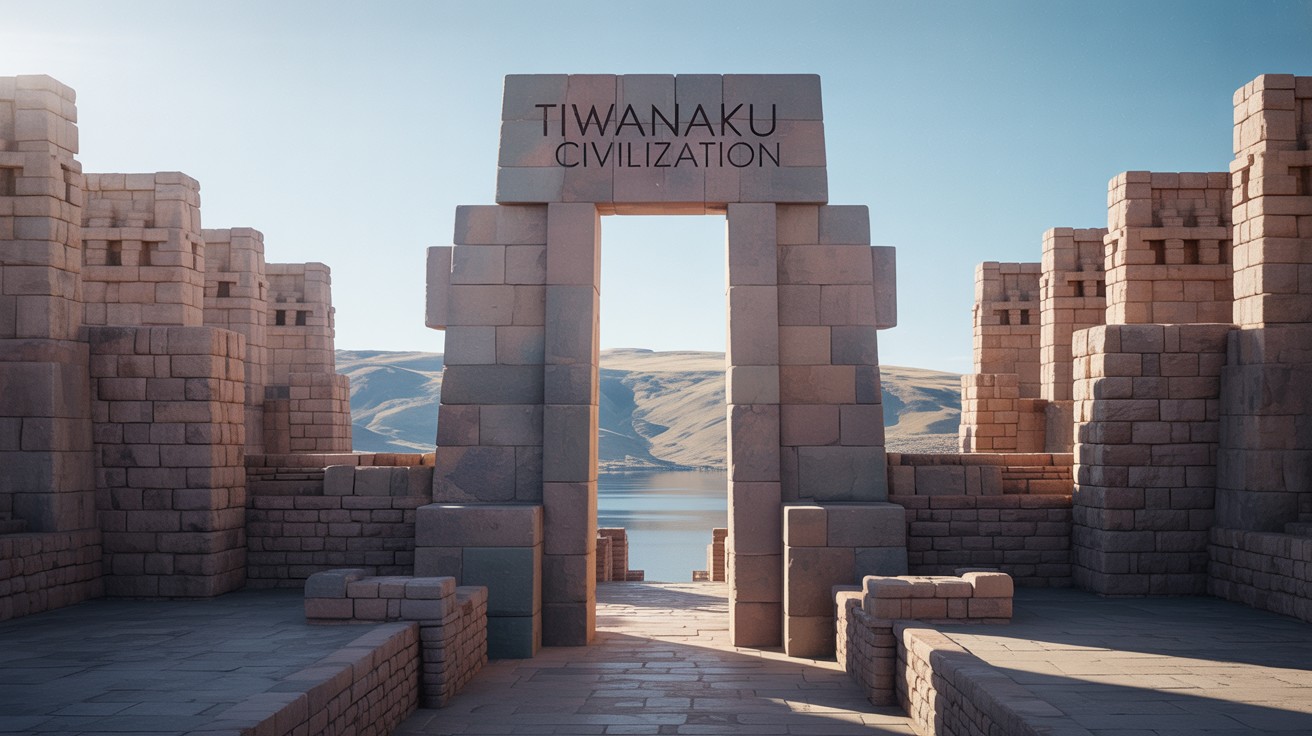
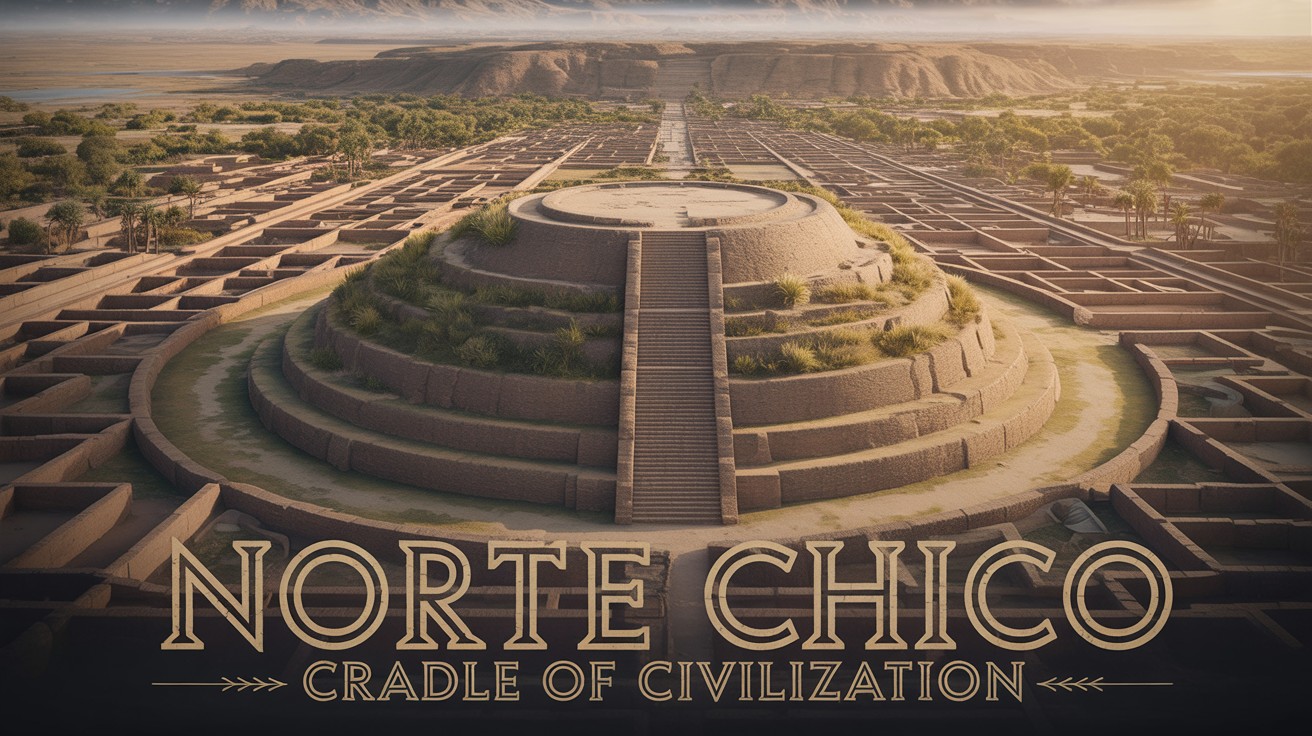
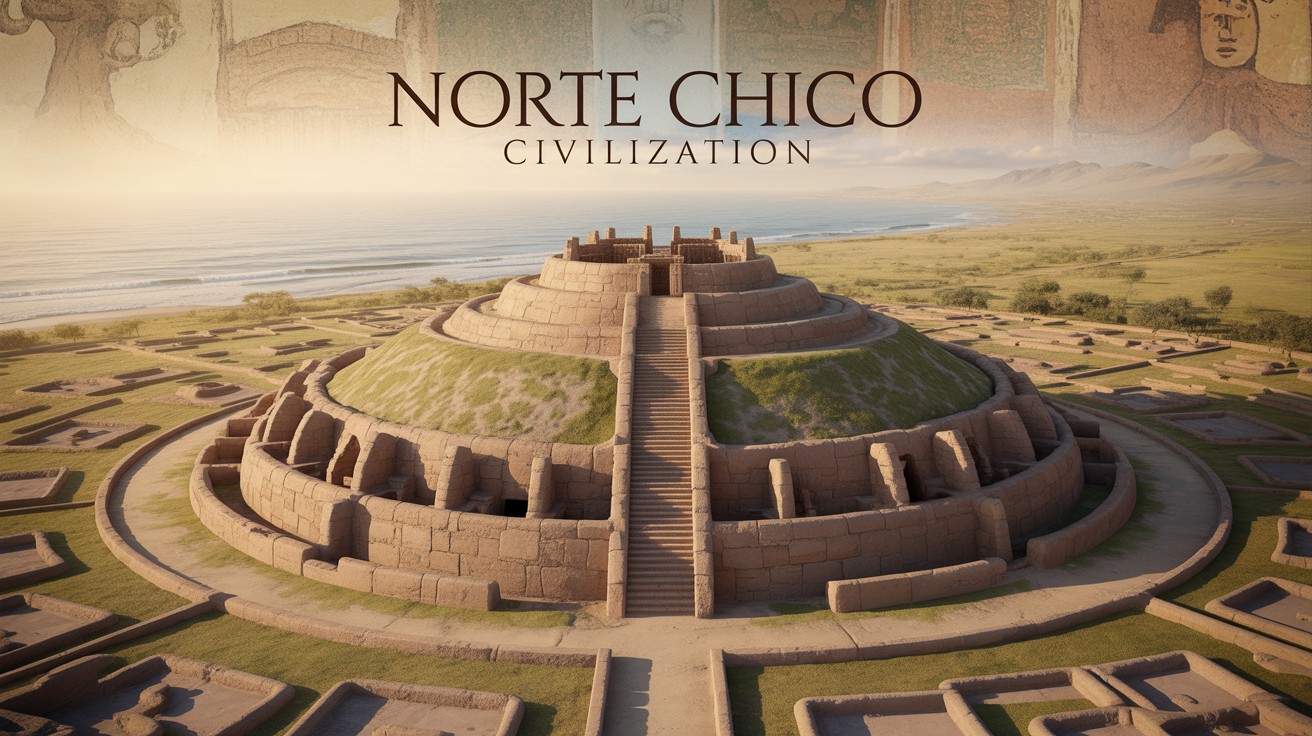
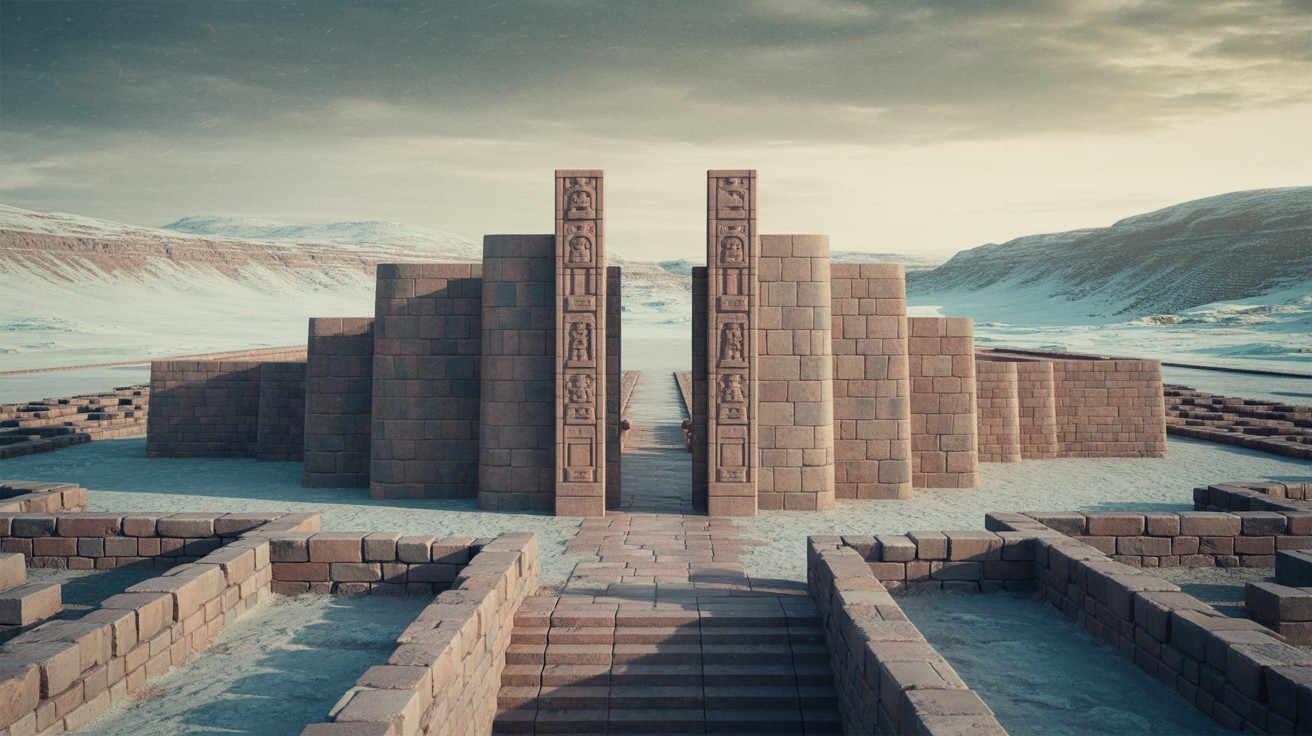
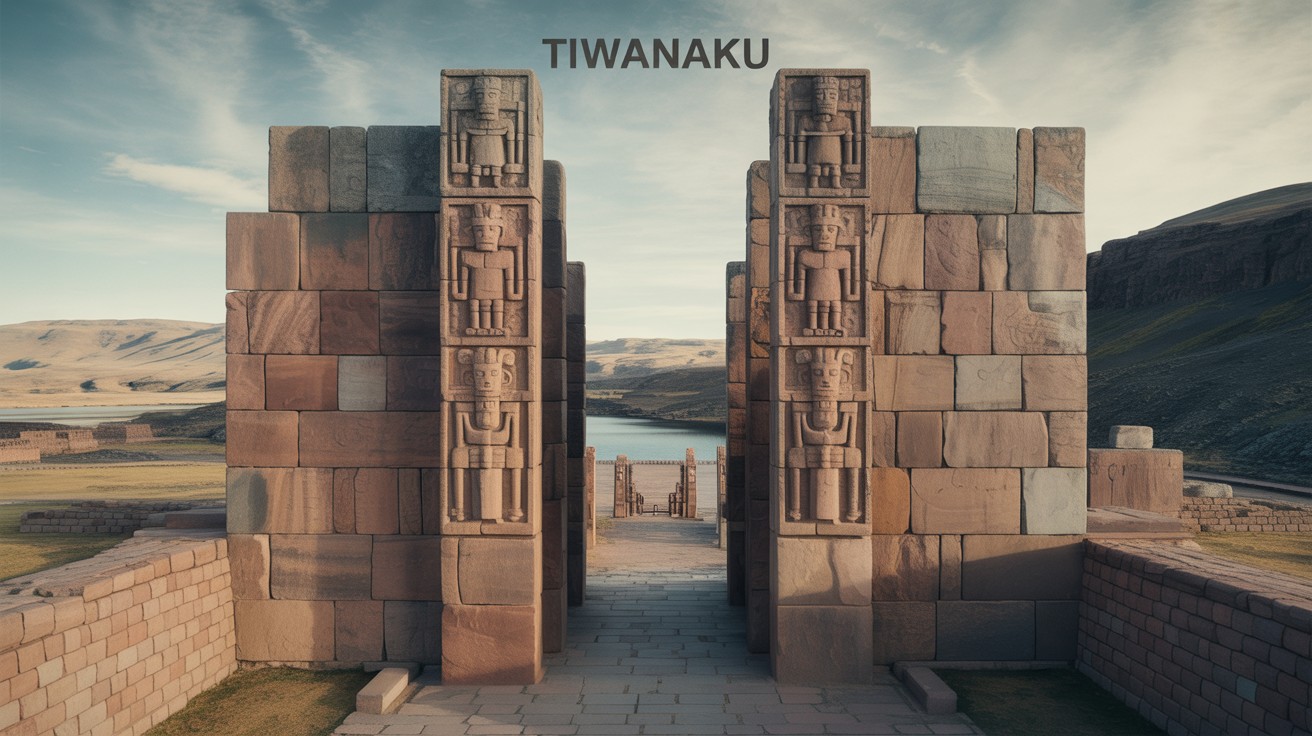
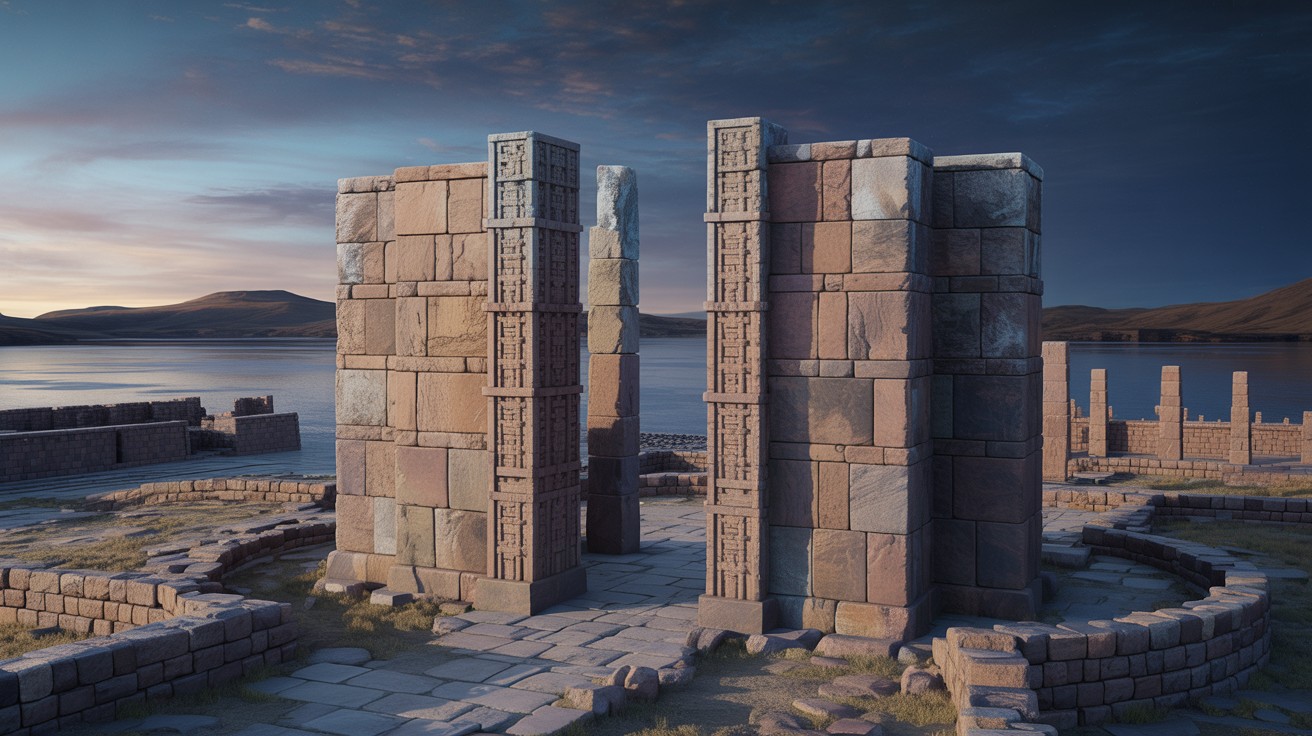
From the earliest cultures of Chavín and Moche to the vast empire of the Inca, the Andes nurtured civilisations that mastered the art of living with mountains. They built cities that clung to cliffsides, created agricultural terraces that defied gravity, and forged networks of stone roads that threaded through valleys and peaks, uniting diverse peoples across immense landscapes.
Spiritual life in the Andes revolved around reverence for nature and cosmic forces. The sun god Inti and the earth mother Pachamama stood at the center of rituals, with offerings placed upon sacred peaks and waterways. Temples like Coricancha glowed with gold, embodying a vision of balance between humanity, the earth, and the heavens above.
Myths and oral traditions carried wisdom across generations, telling of divine ancestors who emerged from lakes and mountains, and heroes who taught communities how to cultivate, weave, and heal. These stories were not only narratives but living instructions, guiding the Andean people in harmony with their environment and reminding them of their place within the sacred landscape.
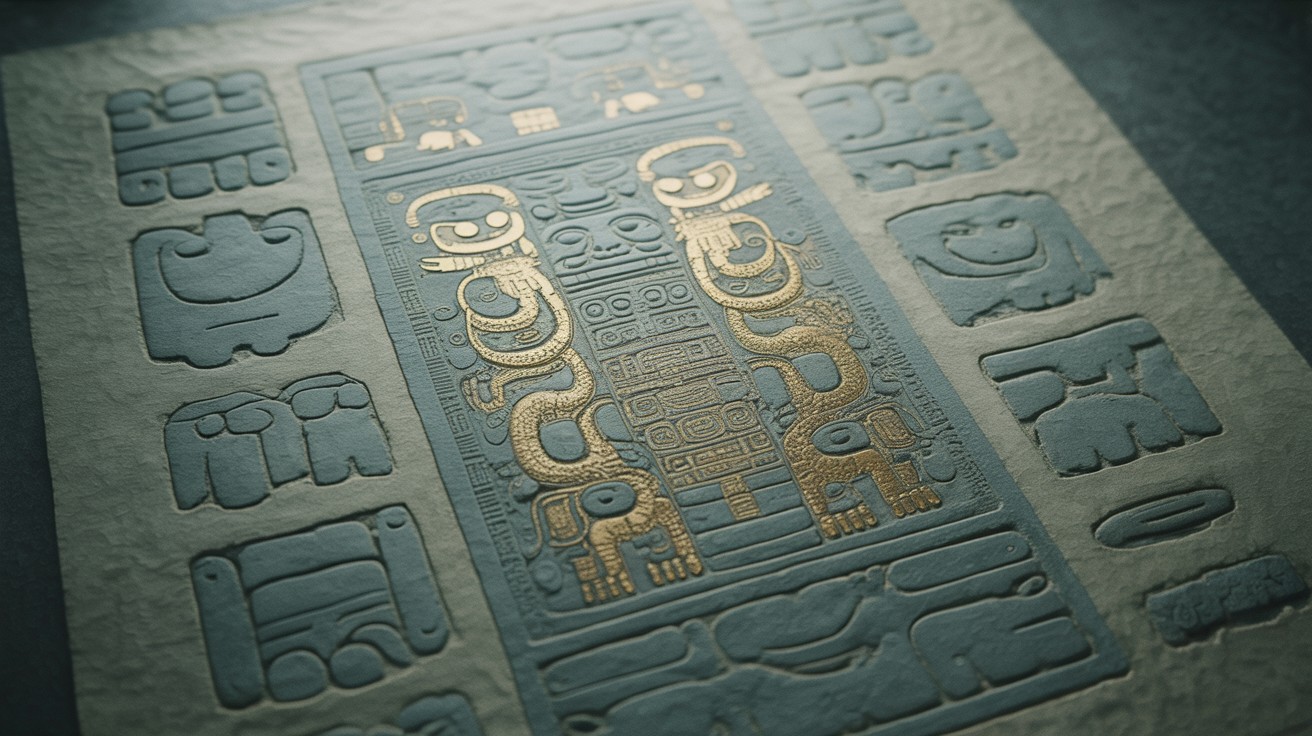
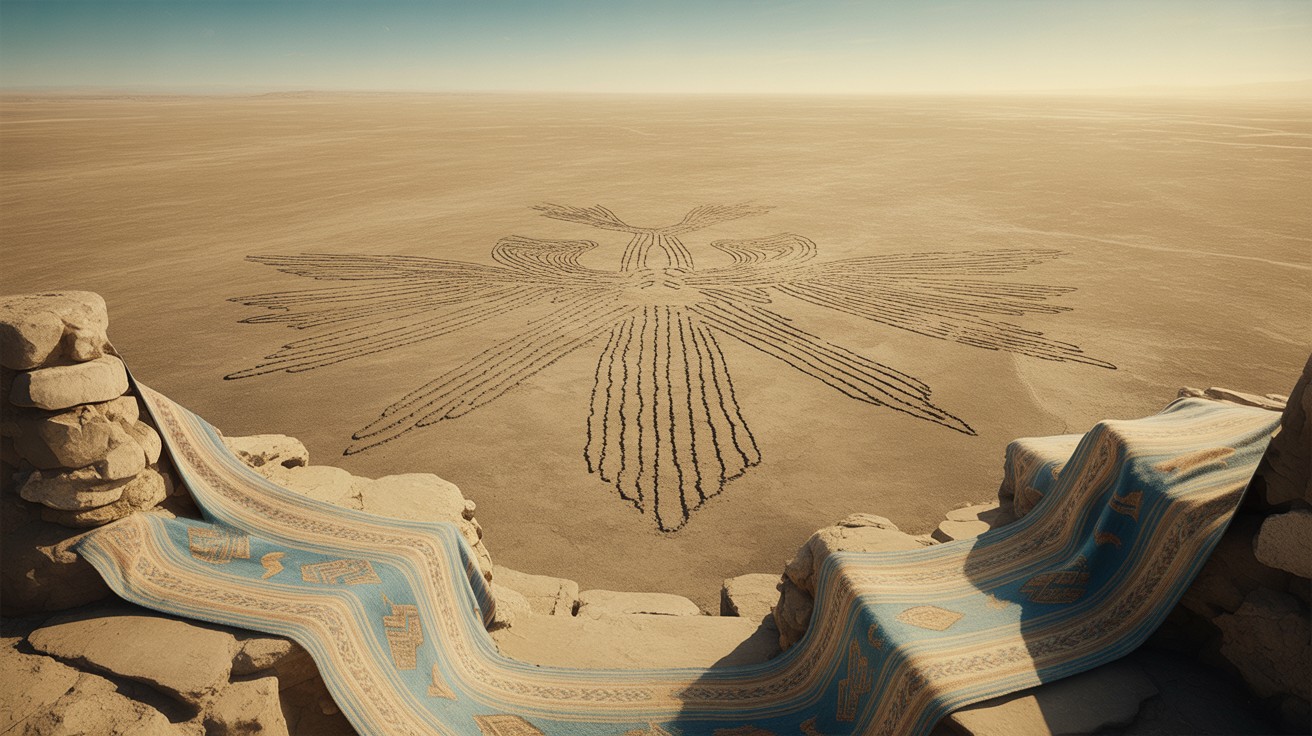
The ingenuity of Andean civilisation shines in their science and craftsmanship. They engineered precise stonework without mortar, developed advanced agricultural systems to sustain millions, and domesticated crops like potatoes and quinoa that continue to feed the world. Their textiles, vibrant with symbolic patterns, served as both clothing and cosmic maps, weaving identity into every thread.
Community life was organized through the ayllu, a system of collective labor and reciprocity that ensured survival in rugged environments. Festivals filled with music, dance, and feasts strengthened bonds, while trade routes carried not only goods but also ideas and traditions across valleys and high plateaus. This spirit of unity and cooperation remains a cornerstone of Andean culture today.
The Andean legacy endures in living traditions, languages like Quechua and Aymara, and the resilience of indigenous communities. Modern skylines may rise against the mountains, but the ancient rhythms of ritual, craft, and music continue to resonate. The Andes still echo with the footsteps of ancestors, carrying forward a vision of harmony between human endeavor and the natural world.
If you could walk one ancient path, where would it lead?